

Informal meeting of EU education ministers in Dublin focused on future skills and adult education
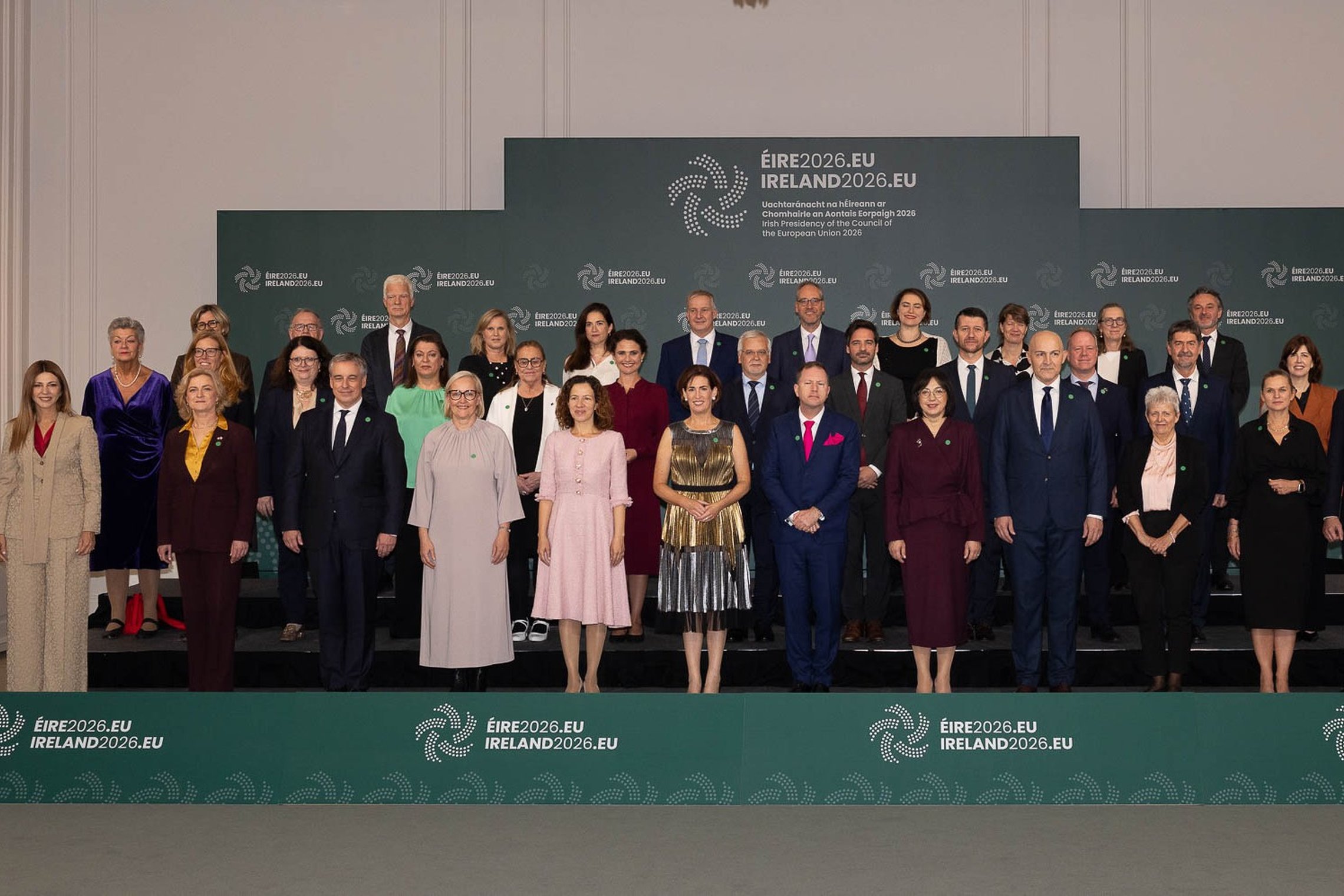
On October 16 in Dublin, Raminta Popovienė, Minister of Education, Science and Sport, attended an informal meeting of EU education ministers, where the ministers discussed European skills policy. EU member states are looking for ways to better forecast future skills needs and to use this data to enhance the flexibility, accessibility, and quality of education, as well as lifelong learning.
During the Council meeting, Minister R. Popovienė emphasised that lifelong learning is essential for Europe’s future competitiveness and resilience.
“Education cannot be limited to professional skills alone. Literacy, basic math skills, digital skills, critical thinking, and, most importantly, the ability to engage in lifelong learning remain the best preparation for an uncertain future shaped by technological change and artificial intelligence,” said the minister.
It is particularly important to ensure that high-quality educational opportunities are available to all residents, regardless of where they live, and that they meet the needs of the regions.
In Lithuania, the adult education platform KURSUOK is being further developed and improved, helping adults acquire new competencies at various stages of life. The government funds a part of the training costs, with priority given to adults from socially vulnerable groups when allocating funds. This helps ensure that government investments in training reach those who need them most: people with disabilities, residents of the regions, and older adults.
The Council of the EU emphasises that technological progress, particularly in the areas of digitalisation and the green transition, is transforming the learning process and posing new challenges. There is a growing need to develop future-oriented skills necessary for personal growth, maintaining a good quality of life, and full participation in society.
Last updated: 26-10-2026